
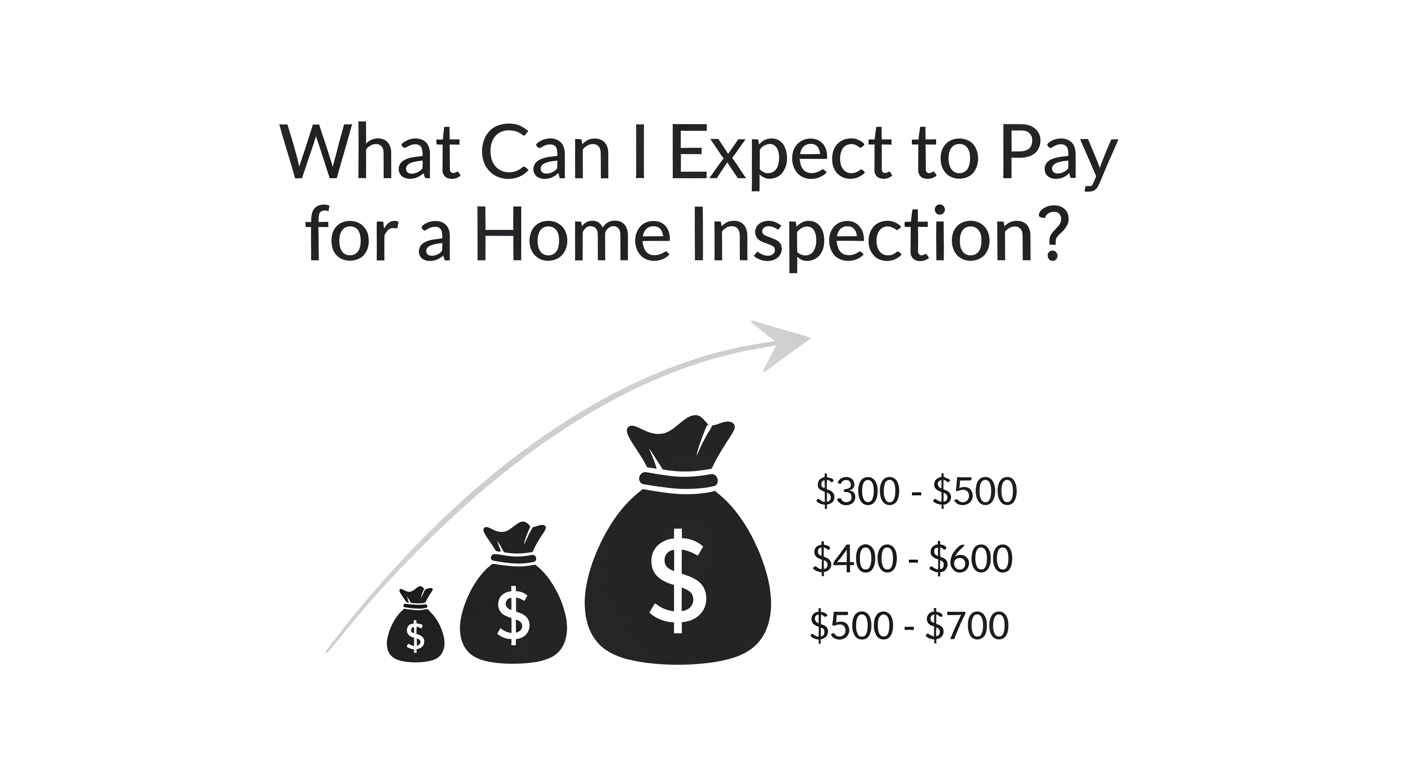
What Can I Expect to Pay for a Home Inspection?
So you’ve found a house you love and you’re ready to make an offer — or maybe you’ve already got one accepted. Now everyone’s telling you to get a home inspection, and you’re wondering: how much is this actually going to set me back?
It’s a fair question, and one a lot of buyers overlook until the last minute. The truth is, home inspection costs can vary quite a bit depending on where you live, the size of the home, and what type of inspection you need. But here’s the good news — a home inspection is almost always worth every dollar.
Let’s break it all down so you know exactly what to expect.
How Much Does a Home Inspection Typically Cost?
For most standard single-family homes in the United States, a home inspection typically runs between $300 and $500. That said, it’s not unusual to see prices dip a little lower for smaller homes or climb closer to $600–$800 for larger or older properties.
Here’s a quick general range to keep in mind:
| Home Size | Estimated Cost |
|---|---|
| Under 1,000 sq ft | $200 – $300 |
| 1,000 – 2,000 sq ft | $300 – $400 |
| 2,000 – 3,000 sq ft | $375 – $500 |
| 3,000+ sq ft | $450 – $800+ |
These are ballpark figures, of course. Your actual quote will depend on a handful of factors we’ll get into in a moment.
What Factors Affect the Price of a Home Inspection?
No two homes are exactly alike, and neither are their inspection costs. Here are the main things that influence what you’ll pay:
1. The Size of the Home
This one’s straightforward — a larger home takes more time to inspect. More square footage means more ground to cover, more systems to check, and a longer report. Inspectors typically adjust their pricing based on square footage for this reason.
2. The Age of the Property
Older homes often come with older systems — think knob-and-tube wiring, aging plumbing, or outdated HVAC equipment. These take more time and expertise to assess properly, which can push the price up. An inspector might also flag more items in an older home, which means a more detailed report.
3. Your Location
Inspection costs vary significantly by region. In major metropolitan areas or high cost-of-living states, you’ll generally pay more. In smaller towns or rural areas, prices tend to be lower. Local market rates and the availability of qualified inspectors in your area both play a role.
4. The Type of Inspection
A standard home inspection covers the core systems and structure of the home — roof, foundation, electrical, plumbing, HVAC, and more. But depending on your situation, you might also need or want additional specialized inspections, each of which comes with its own cost.
5. Additional Add-On Inspections
This is where your total bill can climb, but these extras are often well worth it. More on those below.
What’s Included in a Standard Home Inspection?
Before we get to cost add-ons, it helps to know what a standard inspection actually covers. A qualified home inspector will evaluate:
- Roof — condition of shingles, flashing, gutters, and drainage
- Foundation and structure — signs of settling, cracks, or water intrusion
- Exterior — siding, grading, driveways, and walkways
- Electrical system — panel, wiring, outlets, and safety issues
- Plumbing — pipes, water heater, fixtures, and drainage
- HVAC system — heating, cooling, ductwork, and filters
- Interior — walls, ceilings, floors, windows, and doors
- Attic and insulation — ventilation and insulation condition
- Basement or crawl space — moisture, structural concerns
At Essentials Home Inspections, a thorough inspection covers all of these areas, giving buyers a clear picture of what they’re purchasing before closing.
What About Specialty Inspections — What Do Those Cost?
Sometimes a standard inspection isn’t enough, especially if you’re buying in a specific climate, dealing with an older home, or your lender requires additional documentation. Here are some common specialty inspections and their typical price ranges:
Roof Inspection
A dedicated roof inspection goes deeper than what a standard inspector can cover from the ground. Expect to pay $100 – $300 for this service. If the home has a complex roof or signs of previous damage, it’s absolutely worth it.
HVAC Inspection
An HVAC inspection digs into the heating and cooling systems beyond the basics. A thorough HVAC assessment typically runs $100 – $200 and can save you from inheriting a system that’s one hot summer away from failing.
Ductwork Inspection
Ductwork inspections check for leaks, blockages, and efficiency issues in the home’s air distribution system. These usually cost $75 – $200 and are particularly useful in older homes where ductwork hasn’t been touched in decades.
Sewer Scope Inspection
A sewer scope inspection uses a camera to inspect the main sewer line from the house to the street. This one is hugely underrated. A broken or root-invaded sewer line can cost $3,000 – $25,000 to repair. The inspection itself? Usually $150 – $300. It’s one of the best investments you can make.
Electrical Inspection
While basic electrical is covered in a standard inspection, a dedicated electrical inspection is a smart move for older homes with outdated wiring. Costs typically range from $100 – $200.
Plumbing Inspection
A full plumbing inspection is useful when you’re seeing red flags like slow drains, staining around fixtures, or unexplained wet spots. This typically costs $100 – $200 depending on the scope.
4-Point Inspection
A 4-point inspection focuses specifically on the four systems most important to home insurers: roof, HVAC, plumbing, and electrical. It’s commonly required for older homes when obtaining homeowner’s insurance in Florida. These usually run $75 – $150.
Wind Mitigation Inspection
If you’re buying in Florida or another hurricane-prone area, a wind mitigation inspection can actually save you money — often hundreds of dollars per year on your insurance premium. The inspection itself typically costs $75 – $150.
Pre-Drywall Inspection
Building a new home? A pre-drywall inspection lets an inspector check what’s behind the walls before they’re closed up — wiring, plumbing, framing, and insulation. Once the drywall goes up, those systems become nearly impossible to access without tearing things apart. This is one inspection you really don’t want to skip on new construction.
11-Month Warranty Inspection
If you purchased a new construction home, most builders offer a 1-year warranty. An 11-month warranty inspection is done near the end of that first year to catch any defects before the warranty expires. It’s a smart move that most new homeowners don’t know about until it’s too late.
Is a Home Inspection Worth the Cost?
Short answer: absolutely yes.
Think about it this way — you’re about to make one of the largest financial decisions of your life. A few hundred dollars to have a professional tell you exactly what you’re buying is one of the smartest things you can do.
A home inspection can:
- Reveal hidden problems you’d never notice on a walkthrough — leaking roofs, faulty wiring, foundation cracks, pest damage
- Give you negotiating power — if major issues are found, you can ask the seller to repair them, reduce the price, or provide a credit at closing
- Help you plan for future repairs — even if everything checks out, a good inspector will flag items that are aging and may need attention down the road
- Give you peace of mind — knowing the home has been professionally evaluated lets you move forward with confidence
According to the American Society of Home Inspectors (ASHI), a quality home inspection evaluates hundreds of components throughout the home. Walking away from that process with a detailed report is genuinely invaluable.
Can You Negotiate Home Inspection Fees?
Technically, yes — but it’s not something we’d necessarily recommend. Home inspection pricing usually reflects the inspector’s time, expertise, and thoroughness. Pushing for the cheapest option might mean settling for a less experienced inspector who misses things that end up costing you far more later.
What you can do is look for inspectors who offer bundled packages. For example, getting a standard inspection, sewer scope, and 4-point inspection from the same company often comes out cheaper than booking each one separately.
What to Look for in a Home Inspector
Not all home inspectors are created equal. When choosing one, look for:
- Proper licensing and certification — In Florida, home inspectors are required to be licensed by the state
- Experience with your type of home — older homes, condos, and new construction each have their own quirks
- Sample reports — a good inspector should be willing to show you what their reports look like before you hire them
- Clear communication — you want someone who can walk you through findings in plain English, not just hand you a form
- Availability to attend the inspection — being present during your inspection is one of the best ways to understand your home inside and out
At Essentials Home Inspections, the team is committed to delivering thorough, detailed inspections backed by real expertise. They serve homebuyers and sellers across Citrus, Hernando, Pasco, and Sumter counties in Florida and are happy to walk you through their inspection process step by step.
Pre-Listing Inspections — A Note for Sellers
It’s not just buyers who benefit from home inspections. If you’re selling, a pre-listing inspection can actually make your home more attractive to buyers. Knowing the condition of your home upfront lets you fix issues before they show up on the buyer’s inspection report — and gives buyers more confidence to make strong offers.
It’s a move that more sellers are starting to make, and for good reason.
Final Thoughts
A home inspection is one of the best investments you’ll make in the homebuying process. For $300–$500 on a standard inspection — and a few hundred more if you add specialty inspections — you get a complete picture of what you’re buying.
That peace of mind? Worth far more than the cost.
If you’re in the Citrus, Hernando, Pasco, or Sumter County area of Florida and you’re ready to schedule your inspection, contact the team at Essentials Home Inspections today. They’ll walk you through exactly what services make sense for your specific home and situation.
Disclaimer: Price ranges in this article are general estimates based on national averages and may vary depending on your specific location, property, and inspector. Always request a personalized quote.